February 9, 2024
Top 7 E-commerce Courses to Elevate Your Online Business in 2024

Looking for the best e-commerce courses to enhance your online business skills? You're in the right place. This guide cuts through the clutter. It delivers insights into courses that will give you the edge in e-commerce. We've pinpointed courses that range from foundational knowledge to advanced tactics. We design these courses to equip you with actionable skills and strategies. You can implement what you learn right away. Expect to gain a clear understanding of each course's offerings. This will make it easier to decide which fits your business aspirations and needs.
Key Takeaways
E-commerce courses offer essential knowledge and practical skills. They help establish and grow online businesses. The courses have tailored content to fit different business goals and budgets.
Top e-commerce courses feature experienced instructors. They cover various topics, from SEO to social media marketing. The courses provide current information. They help learners stay at the cutting edge of e-commerce trends.
E-commerce certifications from recognized platforms enhance professional credibility. Real-world applications and case studies offer invaluable insights for practical, hands-on learning.
Unlocking Ecommerce Success: Essential Online Courses for Entrepreneurs
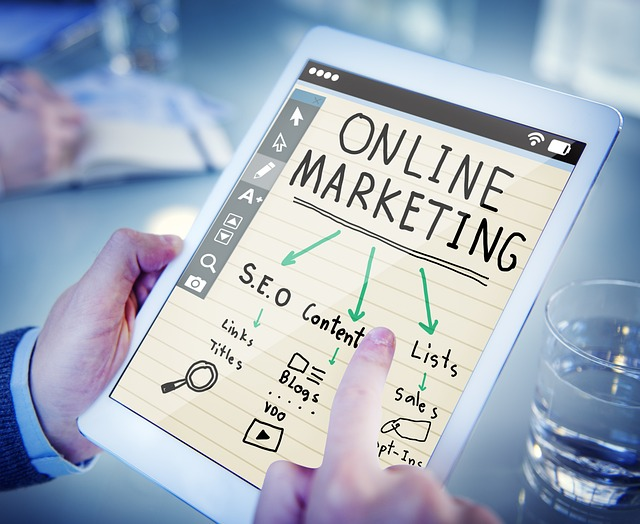
It helps to understand the different aspects of e-commerce before you start on your training journey. E-commerce courses help navigate this unfamiliar territory, providing direction, skill, and confidence. They arm you with the knowledge and skills to confidently chart your course. You can navigate obstacles and steer your online business toward success.
Diverse and comprehensive courses are available through familiar sources like LinkedIn and HubSpot. LinkedIn offers a popular training program called 'Ecommerce Fundamentals'.
These courses cover a variety of business models and marketing strategies. They provide practical case studies. The studies highlight the importance of applying learnings to drive sales. They also help understand e-commerce trends. These popular ecommerce courses are a treasure trove of insights, tips, and strategies. They can transform your e-commerce idea into a profitable online store.
Selecting the Perfect Course for Your Ecommerce Journey

Choosing the ideal e-commerce course resembles selecting an accurate compass for your voyage. It should:
Guide you towards your business goals.
Align with your budget.
Offer a wealth of knowledge from experienced instructors.
Provide a good balance of theoretical knowledge and practical applications. Make sure you understand the concepts. Know how to apply them in real-world scenarios.
For instance, if your goal is to expand your online business globally. Look for a course offering in-depth lessons on international sales channels. It might show you how to create a multi-lingual website. It might also show you how to set up different currencies in your online store. It could also cover marketing efforts. If you're on a tight budget, you might opt for a course that offers continued access to materials. It won't break the bank. The key is to choose a course that aligns with your specific needs and areas for growth. This ensures that you get the most value for your time and resources.
Key Features of Top-Rated E-commerce Training Programs

Not all e-commerce training programs are of the same quality. Top-rated programs distinguish themselves by offering:
Comprehensive coverage of crucial topics
Experienced instructors
Practical applications
Up-to-date information
These programs give learners a versatile skill set. They prepare them for the dynamic and competitive world of e-commerce.
Advanced courses, such as the Digital Marketer's E-commerce Marketing Specialist program, offer marketing professionals:
Insights into the latest e-commerce trends and technologies
Valuable certification upon completion
Learners have "lifetime access" to course materials. This allows them to revisit and update their knowledge as needed.
This feature is invaluable in an evolving industry. It ensures that learners remain at the forefront of e-commerce trends and technologies.
Crafting a Winning Ecommerce Marketing Strategy

Creating a successful e-commerce marketing strategy is like building a roadmap for victory. It entails understanding your audience. It involves setting clear objectives. Finally, it consists of implementing effective tactics to reach your goals. E-commerce marketing courses like HubSpot and Coursera guide learners in crafting marketing strategies. They provide the tools and knowledge to drive sales and boost online visibility.
These courses emphasize the importance of inbound marketing, content marketing, and advertising. They show how these strategies help build a profitable online store. They teach learners how to develop content for various customer journey stages. They also teach how to facilitate conversions and speed up the sales funnel. Moreover, they provide insights into the intricacies of global markets. This includes cultural differences and local consumer behavior. It equips learners with the knowledge to compete and thrive in the worldwide e-commerce arena.
Mastering Digital Marketing Analytics

Digital marketing analytics, such as Google Analytics and email campaign performance, help marketers understand e-commerce performance. Website reporting, Google Search Console, and other techniques also contribute. It provides insights into consumer behavior, campaign performance, and market trends. This enables businesses to make informed decisions and optimize their strategies. Mastering digital marketing analytics is a valuable skill for any e-commerce business owner.
Courses like Coursera's 'Digital Marketing Specialization' and Google's free offerings provide comprehensive training in digital marketing analytics. They also cover Google digital marketing. They cover advanced topics like statistical analysis, market research, and data visualization. This gives learners a sound understanding of leveraging data for e-commerce success. These courses also emphasize optimizing international sales channels. They focus on marketing efforts using data analysis and digital tools. They prepare learners for the global e-commerce arena.
Leveraging Social Media for E-commerce Growth

Social media is a potent tool for e-commerce growth. Businesses can use it to connect with a broad audience. They can also interact with customers and enhance sales. You need to understand various platforms to leverage social media for e-commerce growth. You also need to create engaging content and develop effective marketing strategies.
Marketing strategy course training:
'Social Media Marketing MASTERY | Learn Ads on 10+ Platforms' on Udemy
Free offerings from Later
YouTube
Meta Blueprint
These courses and sources provide comprehensive training on leveraging social media for e-commerce growth. They cover advertising strategies on various platforms. They also show the importance of content marketing. It drives customer engagement and transforms followers into brand advocates. While YouTube does not offer its own courses, many experts provide their courses through YouTube.
SEO Mastery for E-commerce Business Owners
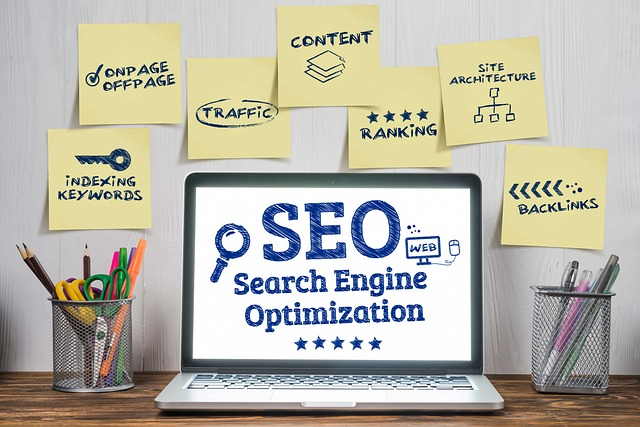
Search Engine Optimization (SEO) is a critical skill for any e-commerce business owner. It improves online visibility, drives organic traffic, and boosts sales. So, mastering SEO can be a game-changer for your online store. It can propel it from obscurity to the top of search engine results.
Programs such as Simplilearn's SEO Training Course and Moz's SEO Essentials Certification provide profound knowledge and hands-on applications of SEO for e-commerce enterprises. They cover everything from:
Keyword research
On-page optimization
Link building
Content marketing
These programs equip learners with the skills to optimize their online stores for search engines. They also teach learners to use Google Ads and attract more customers.
The Role of Content in SEO

Content is a vital link in SEO, connecting your online store with prospective customers. Effective content marketing can improve SEO by providing value to your audience. It also fosters stronger connections and transforms visitors into loyal customers.
Courses like HubSpot's eCommerce Marketing Training Course provide learners with knowledge on using content within SEO. They explain how to use content marketing to boost SEO. They also offer a comprehensive inbound marketing strategy. With this knowledge, you can create content that resonates with your audience. This will improve SEO and drive e-commerce success.
Comprehensive Guide to E-commerce Platforms
Picking an appropriate e-commerce platform is like choosing a sturdy foundation for your online store. It influences how you manage your store, interact with customers, and grow your business. Thus, understanding different e-commerce platforms is crucial for any online business owner.
Courses like LinkedIn's 'Ecommerce Fundamentals' and 'Make the Sale: Build, Launch, and Manage E-commerce Stores' provide a comprehensive guide to e-commerce platforms. They cover everything from:
Setting up an online store
Managing product listings
Conducting market research
Utilizing paid ads
With such knowledge, you can choose the right platform for your online store. You can then leverage its features for e-commerce success.
Shopify: Building Your Online Empire
Shopify is a popular e-commerce platform that offers a host of features for building and managing an online store. It's user-friendly and scalable. It comes with many apps and integrations. That's why many e-commerce business owners prefer it.
Courses like 'E-commerce Masters' by Foundr and 'Shopify Power: Building an E-commerce Website Using Shopify' provide comprehensive training. They teach you to build an online empire with Shopify. They cover everything from:
Setting up a Shopify account
Selecting payment providers
Managing abandoned carts
Scaling your business
With these courses, you can maximize the potential of Shopify. You can also transform your e-commerce idea into a thriving online empire.
Exploring Other Online Marketplaces
While Shopify is a popular choice, other e-commerce platforms exist. WooCommerce and Magento are two of the other popular e-commerce platforms, and each has advantages and disadvantages.
Other marketplaces like Amazon, Etsy, and Alibaba offer unique features. They cater to specific niches, making them worth exploring for certain business models.
Courses like 'eCommerce Website: Shopify, Dropshipping, Amazon, and more' on Udemy offer strategies for selling on a range of marketplaces. They cover everything from setting up your store, optimizing product listings, and implementing effective marketing strategies.
Meanwhile, specialized courses like 'Building an Etsy Shop that Sells' provide in-depth knowledge for mastering specific platforms. These courses let you explore various online marketplaces. Then, you can choose the one that best fits your business model.
Email Marketing Excellence for E-commerce
Within the e-commerce landscape, email marketing emerges as a formidable tool. It builds customer relationships, advertises products, and boosts sales. It offers a direct line of communication with your audience. You can provide personalized offers, updates, and content.
Courses like Shopify's 'Ecommerce Email Marketing 101' and ClickMinded Email Marketing Course provide comprehensive training in email marketing for e-commerce. They cover everything from crafting engaging emails to managing campaigns. They also analyze performance and optimize strategies. With these courses, you can harness the power of email marketing. You can use it to engage your audience, boost conversions, and grow your online business.
Advanced E-commerce Tactics: Specialized Knowledge for Niche Markets

Understanding e-commerce fundamentals is essential. Hone advanced tactics and get specialized knowledge for niche markets. This will give you a competitive advantage. Whether you want to master B2B sales or scale to seven figures, advanced courses can give you the specialized knowledge you need to succeed in your niche.
Courses like BigCommerce's 'Ecommerce Masterclass for B2B Sales' and Udemy's B2B lead generation course provide specialized training for niche markets. They cover sophisticated techniques, like advanced segmentation and flow creation. They provide practical knowledge and insights. These can help you excel in your chosen niche.
You can focus on B2B sales, international markets, or a specific product category. These courses can give you the specialized knowledge to stand out from the competition.
Building a Strong Foundation: Free E-commerce Course Options
Paid courses provide comprehensive knowledge and advanced training. However, free ecommerce courses can offer a robust foundation for beginners. They can also help those with budget constraints. They offer a cost-effective way to learn the basics, enhance your current skills, or explore new areas of e-commerce.
Courses like Alison's 'Introduction to E-commerce' and Google's Foundations course provide fundamental knowledge on e-commerce and cross-border selling. They cover essential concepts like internet marketing strategies and the influence of technology in the online marketplace. They offer a cost-effective way to begin or enhance your e-commerce education.
Decoding E-commerce Certifications

E-commerce certifications can enhance your professional profile. They show your commitment to continuous learning. They also show your commitment to staying updated with industry trends. This improves your employability and credibility in the field.
Platforms like Coursera and Google offer e-commerce courses with certifications. They focus on vital skills like digital marketing, SEO, and strategy. These certifications can cater to both beginners and experienced professionals. They provide credible proof of having acquired the latest knowledge and practical skills in e-commerce.
Learning from the Best: Case Studies and Real-World Applications
Gleaning lessons from industry leaders is a time-tested strategy for success. Case studies and real-world applications provide practical knowledge and insights from industry experts. This enables you to apply the lessons learned in real-world scenarios.
Courses like Springboard's 'Ecommerce and Marketing course' and Skillshare's 'Ecommerce Essentials' provide such learning experiences. They feature:
Real-life case studies demonstrating practical solutions tailored to the needs of e-commerce businesses
Learning from successful online stores
Gaining actionable tips from industry experts
Applying practical solutions to your own e-commerce business
These e-commerce courses enable you to effectively learn and grow your e-commerce business. Ultimately, they can lead to a successful ecommerce business.
Summary
In the evolving world of e-commerce, continuous learning is a necessity. E-commerce courses provide entrepreneurs with the knowledge and skills to navigate modern business challenges. They equip entrepreneurs with the best practices and insights to build successful online businesses. This blog post has provided a comprehensive guide to the top ecommerce courses in 2024. It covers selecting the perfect course, mastering digital marketing analytics, decoding e-commerce certifications, and learning from real-world case studies.
As we conclude, mastering e-commerce is not a destination but a journey. It requires continuous learning, experimentation, and adaptation. With the right ecommerce course, you can chart your course with confidence. You can navigate obstacles and steer your online business toward success. So, why wait? Start your e-commerce education journey today. Unlock your potential for e-commerce success!
Frequently Asked Questions
Are e-commerce courses worth it?
E-commerce courses are worth it. They help you further hone your skills and keep your knowledge current.
What are the 3 main types of e-commerce?
The three types of e-commerce are Business-to-Business (B2B), Business-to-Consumer (B2C), and Consumer-to-Consumer (C2C). These types encompass the majority of online transactions.
What are some of the best ecommerce courses available in 2024?
You can consider taking top-rated ecommerce courses. For example, LinkedIn's 'Ecommerce Fundamentals' and HubSpot's courses are good options. Simplilearn's SEO Training Course and Moz's SEO Essentials Certification are good options. These options offer valuable insights into the world of e-commerce.
How can I leverage social media for e-commerce growth?
You can grow your e-commerce business by taking courses. For example, 'Social Media Marketing MASTERY' and 'Learn Ads on 10+ Platforms' on Udemy. You can also use free resources from platforms like Later, YouTube, and Meta Blueprint. They offer comprehensive training. Good luck with your e-commerce growth!